Why Wild Animals Should Not Be Kept as Pets?

0

In recent years, there’s been a sudden interest in certain animals—usually those who are indigenous to the wilderness. This poses a huge concern for all of us since quite a lot of people have taken a liking to adopt these wild animals as pets. Exotic creatures like panthers and tigers might seem like the perfect pet for some people—but they’re far from perfect. If you’re someone who’s ever found the idea of owning a lion cute cub-keep reading to find out reasons why wild animals should not be pets.

Firstly, It’s Illegal

If you, or someone you know, own an exotic pet—you’re probably at risk of getting arrested. It’s an illegal activity to keep a wild animal in your house—even the tiniest of birds like robins belong to the outside world, and it is against the law to keep them in captivity.

Every year, hundreds of wild animals like bears, snakes, leopards are rescued from people who had been hiding them in their houses. These animals have undergone thousands of years of evolution in adaptation to the wild. Keeping them in a domestic environment is both unhealthy and dangerous. Therefore, wild animals should not be kept as pets.

They Might Not Need Your Help

People who adopt abandoned animals usually assume that the animal needed help, and they did it a favor by “rescuing” it. Most often, that’s not the case. It’s been observed that animals—such as rabbits—tend to leave their young ones alone to avoid unnecessary attention.

These animals have not been abandoned; instead, they are learning to survive for themselves. Picking them up and taking them home is the exact opposite of what the animal needed. If you genuinely think an animal needs rescuing or has an injury, inform your local wildlife center.

Wild Animals May Carry Diseases

Adorable as they may seem, animals like baby raccoons and chimpanzees often carry zoonotic diseases—without any symptoms. Some of them, such as rabies, can be deadly to humans. Furthermore, they can even pass on their illnesses to household pets such as cats and dogs, making them susceptible to diseases such as distemper.

Wild animals should not be pets because, unlike pets, they have never been vaccinated and have never been taken to the vet. Taking such creatures in our homes not only poses a threat to us but also to the animal itself.

They Can Attack You

A wild animal given shelter in a house alongside humans is torn between its wild instincts and its newfound dependence on humans. Most often, these animals become frustrated, and the slightest of disturbances will trigger them to attack you.

If you need more reasons why wild animals should not be pets, here’s one—Sandra Piovesan was a woman who had adopted nine wild wolves and grown very close to them. A report shows her stating that the wolves provided her with “unqualified love.” Apparently, the love only lasted till July 19, 2006, when the wolves decided it was time to devour the woman.

Their Species May Become Endangered 

Every year, there is a trade of thousands of parrots across the world, resulting in them becoming the world’s most endangered animals. The demand for exotic animals is unbelievably great, and this is threatening many animals on the brink of extinction.

Animals like vipers, jaguars, and other reptiles and birds are illegally captured and sold in the black market every year. If this continues to happen, these animals will suffer from the same fate as the dodos did in the 16th century.

Some Animals Are More of a Concern Than Others

Our closest relatives, the apes, are intelligent animals. Baby apes are especially appealing, and this has resulted in them being used for movies, TV shows, and commercials across the globe.

But behind the curtains, these animals are frequently beaten, abused, and even starved to train for these programs. Apart from the extreme animal abuse which happens offset, these animals pose a much greater threat than other animals. Combined with their natural strength and intelligence, apes are spontaneous in causing injuries and harm when provoked.

They Get Larger in Size

A baby tiger is just around 0.8 kgs when born, but merely six months later, they get 40 times heavier. This massive increase in size is because of them being one of nature’s most dangerous predators.

Baby animals are indeed hard to resist, but as the animal grows older, unfortunately, you become the one hard to resist. It’s understandable; hunting is a wild animal’s natural instinct. Making them your pet was a wrong choice in the first place.

Long Lifespans

It’s disheartening when a pet dies, but this has led to many people simply assuming animals’ lifespans. You might expect a parrot to live for ten to fifteen years, but some species of birds live up to seventy years of age. This longevity often comes off as a surprise for owners of such animals who were unprepared to care for them for so long.

This leads to people abandoning these animals in the wild, where old age and an inability to fetch food for themselves eventually kill them. Hence, keeping wild animals as pets is a bad idea.

They Get Sick 

Exotic pets might seem to enjoy the lavishness of human homes and the luxuries it provides, but they’re suffering. Animals like primates are sociable, and being away from others of their species, they grow sad and lonely—just like us. These animals have much more complex needs than domestic pets.

For example, some animals need trees to feel secure, and humans don’t usually live-in trees, hence the inconvenience. Some animals, such as reptiles, undergo hibernation during winter. But captivity confuses them, and they go through immense stress and behavioral changes.

They Try to Escape

How would you feel if your pet dog escaped from your house every second day? Sounds quite the trouble, right? The same happens to owners of exotic pets. As mentioned earlier, these animals are usually given to living in unsuitable environments, and at some point, they reach a trigger point. At this stage, the animal might try to attack the humans—or try to flee.

There are thousands of reports of exotic pets disappearing from their homes annually. These animals often resort to streets where they strangle, maul, and even kill passersby. This usually follows authorities being brought to the spot where the wild animal, scared and helpless, is killed on sight.

Conclusion:

Bringing a wild animal into your home may seem like an act of gratitude, but in reality, it is a living hell for the animal. Millions of cats and dogs go through euthanasia each year just because nobody wants to adopt them. Why bring a creature, which is perfectly happy in its home, to a foreign world where it is lonely and frightening? Why not turn to give a new life to animals that want it?

Therefore, let’s try and protect the animals in our natural surroundings instead of the wild ones. We should also make sure that natural habitats are protected for these wild animals.

National Bird Day 2022: History, Importance and Celebrations

National Bird Day has been observed every year on January 5 ever since its first celebration in 2002.

Of all the living creatures present on our planet, birds are the most magnificent ones. They are vibrant ones, bustling with melodious music and lively colors. National Bird Day is celebrated because we have used birds for their feathers, as pets, and even as food.

History of National Bird Day:

It is estimated that almost 1200 bird species will be lost forever by extinction by the end of this century. It has become very important that we begin raising awareness about the threats birds face by illegal trading, climate change, and diseases.

Birds are illegally traded in the black market, and bidders receive very large amounts of money for selling some of them. Exotic birds such as macaws, eagles, badgers are sold for their colorful feathers, as pets, and even sold as food. This might result in the disappearance of birds altogether. Can you even imagine future generations not being able to see a parrot in real life? These were the questions that AWC discussed two decades ago in 2002. It was important that immediate action be taken to protect birds, and this idea led to the creation of National Bird Day.

When is National Bird Day celebrated?

With its roots in the USA, National Bird Day has been observed every year on January 5 ever since its first celebration in 2002.

This date was chosen specifically because the annual “Christmas Bird Count” takes place on January 5 too. This annual citizen survey has taken place in the USA for quite a time now. The results provide information about both the numbers and the health of birds across the United States of America.

When is National Bird Day celebrated?

With its roots in the USA, National Bird Day has been observed every year on January 5 ever since its first celebration in 2002.

This date was chosen specifically because the annual “Christmas Bird Count” takes place on January 5 too. This annual citizen survey has taken place in the USA for quite a time now. The results provide information about both the numbers and the health of birds across the United States of America.

Raising awareness is a major significance of this event, and people throughout the United States take part in it. It signifies a day when birds are to be treated with the utmost respect. This day gives us all an opportunity to educate others about how to protect birds and ways to preserve them.

There are over 9800 species of birds in the world. It is physically impossible for a person to sight every one of them! For example, it is unlikely to spot bald eagles nowadays since they’ve become so vulnerable, and ostriches just don’t belong here. National Bird Day provides everyone who has an interest in birds to catch a glimpse of at least the 850 bird species present in the USA.

How is National Bird Day Celebrated? 

There are several ways people celebrate National Bird Day; here are some of the most popular activities:

This day is a perfect excuse to try something new or simply brush up your knowledge about birds. It doesn’t matter if it’s a fiction or a non-fiction book; the only requirement is birds! Some good examples of the bird-related book are the “Sibley Guide to Birds” and Noah Stryker’s “The Thing With Feathers.”

Suppose you aren’t interested in reading a book, no problem! There are thousands of documentaries available online about birds. Some of them provide a surprisingly witty and intuitive insight into the lives of birds.

Go Birdwatching:

National Bird Day provides people with the perfect opportunity to adopt a new hobby: birdwatching! It was found that a greater number of Americans indulge in birdwatching than watching football or baseball. So, if you want to try something new or need some new company- birdwatching on NBD is a good choice.

Adopt a Bird of Your Own:

Adopting a bird is one of the more important aspects of celebrating National Bird Day. The Atlanta Journal-Constitution stated that most bird enthusiasts turn to adopt birds on National Bird Day. People also spread knowledge amongst people who are planning on adopting a bird and talk about certain important topics.

Taking care of younger birds, proper cleaning, managing diets, along with entertainment, are some of the aspects of bird-owning enthusiasts discuss.

Observances in Other Nations:

Although National Bird Day is mainly celebrated in the United States of America, there are very similar events to National Bird Day that take place in other countries.

International Migratory Bird Day is an event that annually takes place on the second Saturday of May in a number of countries. It was officially declared by the United Nations that IMBD takes place every second Saturday of each year. In 2021 the date was 8th May 2021. Next year’s date is Saturday, 14 May 2022.

The United States, Canada, along some South American countries observe International Migratory Bird Day. On this day, people raise awareness about the bird populations across the country and help to clean the breeding habitats of these birds.

This program takes place in a wide variety of locations. Zoos, aquariums, and museums are popular sites where International Migratory Bird Day is hosted and celebrated.

Bird Day is a holiday been celebrated in the United Kingdom ever since 1979. Although it was initially named “The Big Garden Birdwatch” by the bird lovers in the UK, the name changed to Bird Day in 2009.

On this day, bird enthusiasts from all over the country flock to gardens and popular birdwatching sites. They spend one hour, as per tradition, trying to catch a glimpse of some of the rare bird species.

How Can You celebrate National Bird Day 2022?

There are several enjoyable ways by which you can participate in National Bird Day, even if you aren’t a US citizen:

  1. Buy a bird identification book and try to name all birds you see on the day.
  2. Turn your backyard into a sanctuary! You can do this by making it look pleasing; adding simple decorations such as fruits and flowers will attract birds. Keep a bowl of fresh, clean water along with bird food for hungry birds.
  3. Donate some money to a bird sanctuary near you to help in preserving birds that are at the risk of extinction.

But most importantly, try to have fun! Birds are wonderful creatures, and no matter what, they will always make you happy! At the end of the day, you can upload any pictures you’ve taken through the day and post them on social media.

Top wildlife tourism places you must visit in South India: Which one will you be visiting?

0

Visit these wonderful locations in South India to experience their unique wildlife.

Dense forests are found in plenty in South India. Most of them are situated on the slopes of the western ghats and rich in flora and fauna that are local to the region only. Due to the density of the forests, ecological conservation efforts, and the natural protective corridor formed by western ghats, https://wildstreakofnature.com/explore-wild-side-perfect-places-nature-lovers/wildlife has continued to exist and flourish at many locations in Southern India. And you can easily visit them as part of your next vacation. Here are the top wildlife tourism places you must visit in South India.

Karnataka, Dandeli Wildlife Sanctuary

This one’s a birdwatcher’s paradise. It is home to nearly 200 species of birds, including the great hornbill and the Malabar pied hornbill. If you’re lucky, you might also spot the elusive black panther here.

Karnataka, Kudremukh National Park

Named after a mountain range, this National Park is one of the best places to trek in South India. Tigers, leopards, wild dogs, and more are waiting to be spotted here.

Karnataka, Bandipur National Park

This is the first Biosphere Reserve in the country and is home to several wild creatures like tigers, leopards, elephants, and more. A vibrant bird population also exists here.

Karnataka, Bannerghatta National Park

Replete with ancient temples in the middle of the wilds, Bannerghatta National Park is a one-of-its-kind wildlife destination. Apart from exploring wildlife on a safari, you can also indulge in treks and hikes here.

Karnataka, Nagarhole National Park

Located near Coorg, Nagarhole National Park is known for its dense forest cover that encompasses hills and valleys. It supports vast populations of Bengal tigers, gaurs, Indian elephants, and more.

Karnataka, Brahmagiri Wildlife Sanctuary

A wide variety of mammals and reptiles reside in this sanctuary. It contains evergreen and semi-evergreen forests as well as varieties of bamboo.

Karnataka, BR Wildlife Sanctuary

The connector between the Eastern and the Western Ghats, this place has a unique ecosystem. It’s an excellent habitat for tigers and gaurs, among other animals.

Kerala, Silent Valley National Park

Located in the Nilgiri Hills, it is among the last undisturbed tracts of mountain rain forests and tropical moist evergreen forests in India. It is easily one of the top wildlife tourism places you must visit in South India.

Kerala, Periyar National Park 

An elephant reserve and a tiger reserve, the Periyar National Park is a repository of rare, endemic, and endangered flora and fauna. It also forms a watershed of two important rivers of Kerala, the Periyar and the Pamba.

Kerela, Peppara Wildlife Sanctuary

Covered with tropical moist evergreen forests and myristica swamps, this unique wildlife sanctuary is part of the Agasthyamala Biosphere Reserve. It’s home to 43 species of mammals, 233 species of birds, and 46 species of reptiles.

Kerala, Eravikulam National Park

Located near Munnar, Eravikulam National Park is among the top wildlife tourism places you must visit In South India for its rare flora and fauna. Various trekking and camping opportunities are available here.

Kerala, Mathikettan Shola National Park

Named after the unique shola forest, this National Park is also known for its importance as an elephant strip. It’s an excellent wildlife reserve to visit in Kerala.

Tamil Nadu, Guindy National Park

This is among the smallest National Parks in India but is important for its ex-situ and in-situ conservation efforts. Blackbucks, spotted deer, jackals, and a host of other wildlife can be found here.

Tamil Nadu, Mudumalai National Park

This is a tiger reserve filled with tropical and subtropical moist broadleaf forests. It happens to be drained by the Moyar River and its several tributaries, which themselves host 38 fish species.

Tamil Nadu, Mukurthi National Park

Filled with montane grasslands and shrublands, this place is on a high altitude and receives high rainfall as well as near-freezing temperatures. It is home to endangered wildlife, including the royal Bengal tiger and Asian elephant but is also known for the Nilgiri Tahr.

Tamil Nadu, Gulf of Mannar Marine National Park 

This place is spread across 21 small islands and adjacent coral reefs in the Gulf of Mannar in the Indian Ocean. It has a high diversity of marine plants and animals.

Those are all the top wildlife tourism places you must visit in South India. Which one will you be visiting?

Do you know: Top 10 Wildlife Safaris In India For Your 2022 Weekend Getaways

0

India’s biodiversity is mighty and a glimpse of it can be seen in jungle safaris. So, if you’re an animal lover, read on and find out the best wildlife safaris in India to try.

Ranthambore National Park

This wildlife safari is open throughout the year and will make for an unforgettable trip to Rajasthan, Tigers can be spotted very easily in the reserve and outside the reserves you can visit the majestic forts and the Chambal Lake.

Pench National Park

The Pench National Park is low on the number of tigers but it has a variety of animals to make up for it namely, wolves, wild dogs and over 300 species of birds and the best time to visit is October to June.

Kanha National Park

Kanha national park is an example of class park management standards, making it one of the top wildlife safaris in India. Majestic tigers, Jackals, swamp deer and many more can be spotted in the expanse of this beautiful forest with the best time to visit being October to June.

Corbett National Park

This is India’s oldest national park and it has the largest population of tigers in the country making it the best tiger safari in India. Along with tigers you can also spot hundreds of birds and exotic flora and fauna.

Tadoba National Park

Best experienced during the summer months, this wildlife sanctuary is filled with exotic vegetation and a variety of tropical animal species.

Satpura National Park

Perfect for a weekend getaway, the Satpura National Park has a lot to offer in its jungle Safari like sighting many endangered animal species and the canoe Safari on the Denwa river which afford sighting of birds and Indian fresh water Crocodiles.

Panna National Park

Panna national park has made a name for itself by showing a healthy growth in tiger population going over hundreds. You can also spot leopards and many other exotic animals here. The number of wild species here make it one of the top wildlife safaris in India.

Bandhavgarh National Park

The park has the highest density of royal Bengal tigers in the world with over 22 species of mammals and 250 species of birds which can be spotted in the best time to visit between October and June.

Dudhwa National Park

The Dudhwa National Park has incredible biodiversity and is famous for it’s Rhino population. It is one of the lesser explored national parks in the country but it surely is one of the top wildlife safaris in India.

Kaziranga National park

Kaziranga is known for it’s one horned Rhino population and can make for an amazing trip to Assam and is ideal to visit anytime of the year.

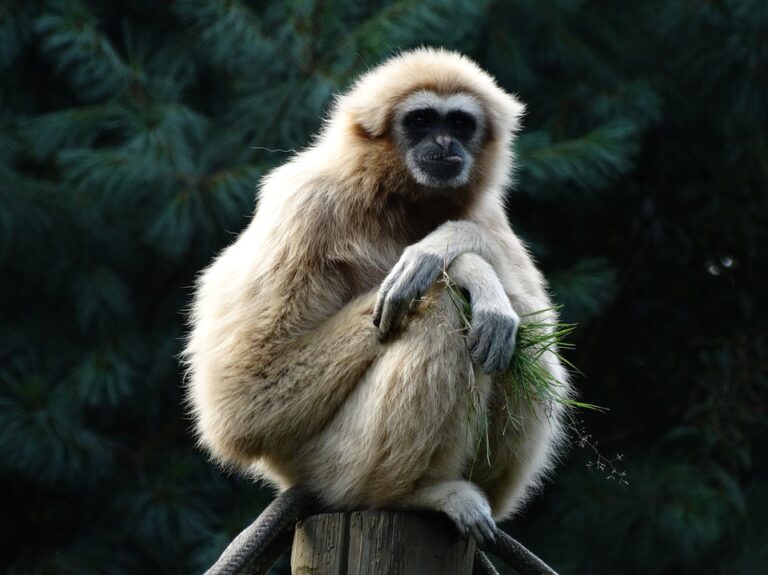
Scientists discover White-handed gibbons that have been evolving in the south of Malaysia

Many captive gibbons kept in zoos and rescue centers have been seized from the illegal pet trade, private collectors, and plantations where their natural habitats are getting destroyed.

In 2013, the National Wildlife Rescue Centre (NWRC) of the Department of Wildlife and National Parks (PERHILITAN) was established in Peninsular Malaysia to help with the rehabilitation of wildlife species — including gibbons — before they are reintroduced or translocated back to the wild. Under the Primate Rehabilitation Programme initiated by PERHILITAN, captive gibbons have to go through a number of procedures and assessments, where their taxonomy and genetics might be examined before they can go back to living in the wild.

Following the Guidelines for Reintroductions and Other Conservation Translocations provided by the IUCN Species Survival Commission, researchers Dr. Jeffrine J. Rovie-Ryan from Universiti Malaysia Sarawak and Millawati Gani and colleagues from the National Wildlife Forensic Laboratory of PERHILITAN conducted a genetic assessment on 12 captive white-handed gibbons in NWRC. Determining the subspecies and origin of the animals is an important step that informs further decisions on their translocation and reintroduction.

In a research paper published in the open-access journal ZooKeys, the team describes a previously unknown southern population of the white-handed gibbon subspecies lar living in Peninsular Malaysia. In what started as a straightforward species and subspecies identification process using DNA technology, the researchers discovered unusual mutations in the DNA of the studied gibbons. This is how the researchers found themselves before a distinct population, which they concluded must have been evolving in isolation.

“Given the prolonged isolation, it is likely that the southern population has undergone some local speciation, but this finding should be regarded as preliminary and requires further investigation,” explained Dr. Jeffrine. Furthermore, the researchers suggest there might be a northern population inhabiting Southern Thailand.

Still going through rehabilitation, the gibbons from the study have been pre-released into a semi-wild enclosure known as Pulau Ungka (Gibbon Island), where their recovery is closely monitored by primate experts of PERHILITAN.