The Mesmerizing Phenomenon of Fennec Fox Ears: Nature’s Masterpiece
WSON Team
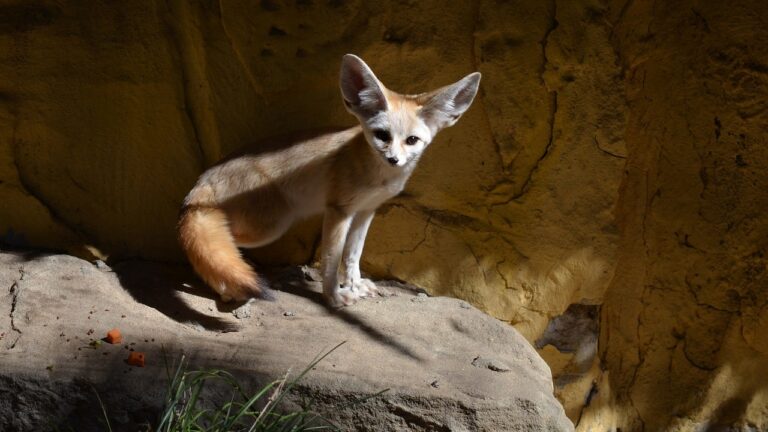
The Fennec fox (Vulpes zerda) is a captivating and unique creature, perfectly adapted to one of the harshest environments on Earth, the Sahara Desert. In this article, we will delve into the fascinating world of the Fennec fox, exploring its distinctive characteristics, habitat, behavior, and conservation status. Join us on a journey through the dunes to discover the secrets of this remarkable desert dweller.
The Distinctive Appearance:
WSON Team
One cannot help but be captivated by the Fennec fox’s striking appearance. With its oversized ears and diminutive size, this fox stands out among its relatives. These ears, often exceeding 4 inches in length, serve a crucial purpose. They help dissipate excess body heat, allowing the Fennec fox to thrive in the blistering desert heat by regulating its temperature effectively.
Habitat and Range:
WSON TEam
The Fennec fox primarily inhabits the arid and harsh regions of the Sahara Desert, making it the world’s smallest and perhaps most elusive desert canid. Their range spans North Africa, including countries like Morocco, Algeria, Tunisia, Libya, Egypt, Mali, Niger, Chad, and Sudan.
Behavior and Diet:
WSON Team
Fennec foxes are crepuscular animals, which means they are most active during dawn and dusk, allowing them to avoid the extreme temperatures of the desert. Their diet is omnivorous and includes a wide variety of foods, ranging from insects, small mammals, and birds to fruit and vegetation. They are excellent hunters and can locate prey by their acute hearing, which can detect the slightest rustle in the sand.
Unique Adaptations:
WSON Team
Besides their distinctive ears, Fennec foxes have a range of adaptations that enable them to thrive in the Sahara. Their thick fur helps insulate them from both the intense heat of the day and the cold nights. Their keen senses of sight and smell assist them in locating prey and avoiding predators.
Conservation Status:
WSON Team
Despite their remarkable adaptability, Fennec foxes face several threats to their survival. Habitat loss due to human activities, such as urbanization and agriculture, poses a significant risk. Additionally, they are sometimes captured and sold in the illegal pet trade. Conservation efforts are underway to protect these unique creatures and their fragile desert habitat.
WSON Team
The Fennec fox is a true testament to the wonders of evolution and adaptation. Its unique characteristics and ability to thrive in one of the world’s most challenging environments make it a symbol of resilience in the face of adversity. As we continue to learn about and protect this remarkable creature, we ensure that the Fennec fox will continue to grace the dunes of the Sahara Desert for generations to come.
Hyenas are enigmatic creatures that often elicit mixed emotions among humans. They are simultaneously admired for their intelligence and despised for their scavenging behavior. However, there is much more to these remarkable creatures than meets the eye. In this article, we will delve into the world of hyenas, exploring their unique biology, social structure, and ecological significance.
Hyenas: Beyond the Laugh
WSON Team
Understanding the Hyena Family
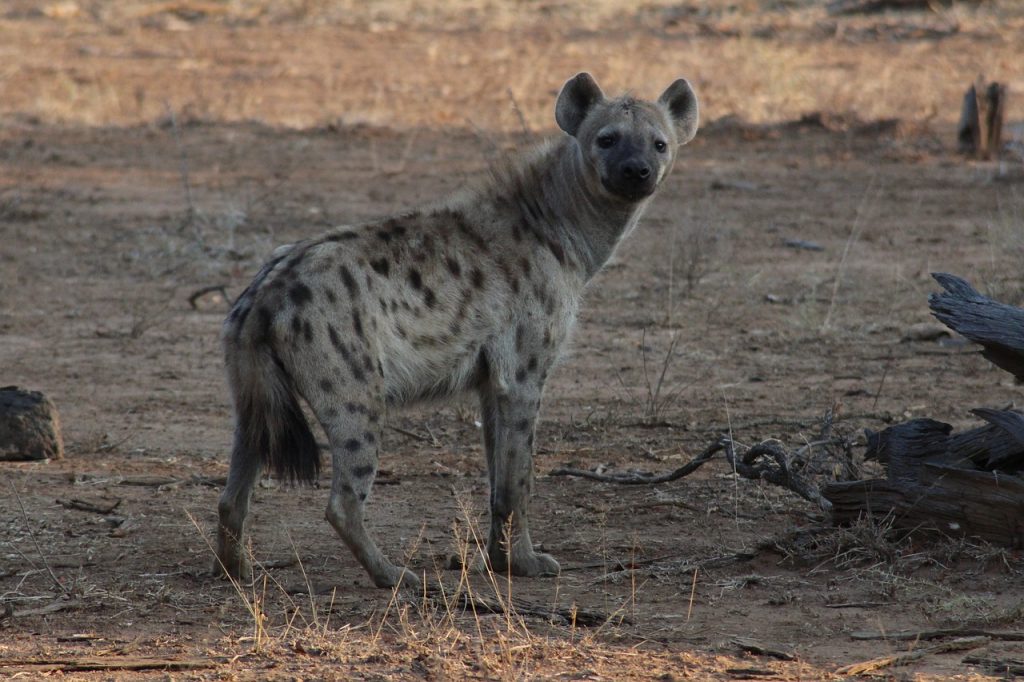
Hyenas belong to the family Hyaenidae and are divided into four species: the spotted hyena (Crocuta crocuta), the brown hyena (Hyaena brunnea),https://wildstreakofnature.com/all-you-need-to-know-about-the-striped-hyena/ the striped hyena (Hyaena hyaena), and the aardwolf (Proteles cristatus). The spotted hyena, with its distinctive spotted coat, is the largest and most well-known member of the family.
Biology and Adaptations
WSON Team
Physical Characteristics
Spotted hyenas are renowned for their robust build and strong jaws. They possess sharp teeth and powerful neck muscles, making them formidable predators. Their front legs are longer than their hind legs, giving them a hunched appearance, which aids in efficient scavenging.
WSON Team
Social Structure
Hyenas are highly social animals, living in groups known as clans. These clans are matriarchal, with dominant females leading the group. Social hierarchies within clans are maintained through complex interactions, including vocalizations and body language.
Unique Vocalizations
Hyenas are known for their eerie laughter-like vocalizations, which can be heard for miles. These calls serve as a means of communication within the clan, enabling them to coordinate hunts and defend their territory.
Ecological Role
WSON Team
Scavengers Extraordinaire
Hyenas play a crucial role in ecosystems as scavengers. They help maintain the balance of nature by cleaning up carrion that would otherwise attract disease and pests. Their powerful jaws can crush bones, allowing them to access the nutritious marrow inside, which is a resource few other animals can exploit.
WSON Team
Predators with a Twist
While often labeled as scavengers, hyenas are also skilled hunters. They can take down prey much larger than themselves, including wildebeest and zebras. Their adaptability and ability to exploit a wide range of food sources make them vital components of their ecosystems.
Conservation Status and Threats
WSON Team
Hyenas face several threats in the wild. Habitat loss due to human encroachment is a significant concern, as it reduces their natural hunting grounds. Additionally, they are sometimes persecuted by humans who view them as threats to livestock. Conservation efforts are crucial to ensure the survival of these remarkable creatures.
WSON Team
Hyenas, with their complex social structures, remarkable adaptations, and crucial ecological roles, are more than just scavengers with a haunting laugh. They are intelligent, resourceful creatures that have evolved to thrive in challenging environments.
Understanding and appreciating the significance of hyenas in their ecosystems is essential for their conservation and for maintaining the delicate balance of nature. These creatures remind us that even the most misunderstood animals have a vital role to play in the intricate tapestry of life on Earth.
“Alarming Trends in Habitat Loss, Exploitation, and Climate Change Drive Drastic Wildlife Decline, According to WWF’s Living Planet Report 2022”
Wildlife populations around the world have suffered a staggering decline of 69% between 1970 and 2018, according to the highly anticipated Living Planet Report 2022 released by the World Wildlife Fund (WWF). The comprehensive study, which examines nearly 32,000 populations of 5,230 species, reveals a dire situation that threatens biodiversity and ecosystems on a global scale.
The report’s findings emphasize the gravity of the situation, particularly within tropical regions where vertebrate wildlife populations are plummeting at an alarming rate. Notably, Africa has seen a heart-wrenching decline of 66% in its wildlife populations, while the Asia Pacific region has experienced a significant decrease of 55%.
The most drastic decline was observed in Latin America and the Caribbean, where the average decline in monitored wildlife populations during the same period was an astonishing 94%. Freshwater populations, critical to the health of ecosystems and human communities alike, have been hit hardest with an average decline of 83% compared to other species groups.
The report identifies habitat degradation and loss, exploitation, the introduction of invasive species, pollution, climate change, and disease as the primary drivers behind this unprecedented decline in wildlife populations. Cycads, a group of ancient plants, have been labeled as the most threatened species, while corals are experiencing a rapid decline, followed closely by amphibians.
Marco Lambertini, the Director General of WWF International, voiced his concerns over the implications of these findings, stating, “We face the double emergencies of human-induced climate change and biodiversity loss, threatening the well-being of current and future generations.” He further added that these alarming statistics paint a grim picture, particularly in regions known for their biodiversity.
The report underscores the urgent need for a comprehensive and coordinated global response to address these challenges. Efforts to combat habitat degradation and loss, reduce exploitation, control the spread of invasive species, mitigate pollution, and curb climate change are critical to reversing this disturbing trend.
As the world grapples with the consequences of these declines in wildlife populations, it becomes clear that the well-being of both nature and humanity is at stake. The Living Planet Report 2022 serves as a poignant reminder that concerted action is necessary to protect and restore the delicate balance of ecosystems that sustain life on Earth.
World Elephant Day is a global observance that aims to raise awareness about the critical conservation issues facing elephants and their habitats. Held annually on August 12th, this day provides an opportunity to celebrate these magnificent creatures while also highlighting the urgent need to protect them from various threats. Elephants hold cultural, ecological, and aesthetic significance, making their preservation essential for maintaining the biodiversity and balance of our planet.
Historical Background:
WSON Team
World Elephant Day was first conceived in 2011 by Canadian filmmakers Patricia Sims and Michael Clark. Their goal was to create a platform for individuals, organizations, and governments to come together to support and advocate for elephant conservation. Since then, the day has gained international recognition and serves as a rallying point for raising awareness and funds for the protection of elephants.
Importance of Elephants:
WSON Team
Elephants are not just iconic and majestic creatures; they play a crucial role in maintaining the health of ecosystems they inhabit. They are often referred to as “ecosystem engineers” due to their ability to shape their environment. By creating clearings in forests, dispersing seeds, and modifying vegetation, elephants contribute to the biodiversity of their habitats. Their interactions with other species also have cascading effects throughout ecosystems.
Threats to Elephants:
WSON Team
Despite their significance, elephants face numerous threats that jeopardize their survival:
Habitat Loss: As human populations expand, forests are cleared for agriculture, infrastructure, and urban development, leading to the fragmentation and destruction of elephant habitats.
Poaching: The illegal ivory trade remains a significant threat to elephants. Their tusks are highly prized on the black market, driving poaching and contributing to a decline in elephant populations.
Human-Elephant Conflict:As elephants’ natural habitats shrink, they often come into contact with human settlements. This can lead to conflicts, as elephants may raid crops, causing economic losses and sometimes resulting in casualties on both sides.
Climate Change:Changing weather patterns and increased instances of drought can impact the availability of water and food resources for elephants, putting additional stress on their populations.
Anti-Poaching Measures: Increased enforcement and penalties for poaching, along with efforts to dismantle illegal ivory markets, are crucial to combating the illegal ivory trade.
Habitat Preservation:Establishing and maintaining protected areas for elephants is essential to ensure the long-term survival of their populations.
Community Engagement: Involving local communities in conservation efforts, providing alternative livelihoods, and creating mechanisms for peaceful coexistence with elephants can reduce human-elephant conflicts.
Education and Advocacy:Raising awareness about the importance of elephants and the threats they face can inspire people to support conservation efforts and advocate for stronger protective measures.
WSON Team
World Elephant Day serves as a poignant reminder of the challenges facing elephants and their vital role in maintaining healthy ecosystems. Through collaborative efforts, increased awareness, and sustained conservation actions, we can ensure that future generations continue to marvel at the grace and grandeur of these remarkable animals. Let us celebrate World Elephant Day not only by admiring their beauty but also by committing to their protection and the preservation of their habitats.
Roaring Awareness: World Lion Day’s Spotlight on Asiatic Lions Challenges and Hopes- Charting a Path to Long-Term Survival
WSON Team
Every year on August 10th, people around the globe come together to celebrate World Lion Day, a special day dedicated to honoring the iconic and majestic creatures that are known as the “King of Beasts” – lions. This day serves as a reminder of the critical importance of lion conservation efforts and highlights the rich history, cultural significance, and urgent need for their protection.
History and Significance:
WSON Team
Lions have long held a special place in human history and culture. Their powerful presence, regal demeanor, and undeniable beauty have captivated people across the ages. In various cultures, lions have been symbols of strength, courage, and leadership. They have been revered as deities, depicted in ancient art, and featured in folklore and mythology.
In modern times, however, the lion population has faced significant challenges. Habitat loss, human-wildlife conflict, poaching, and illegal wildlife trade have led to a dramatic decline in lion numbers across Africa and a small population in the Gir Forest National Park in India. Conservationists and wildlife enthusiasts worldwide recognize the urgency of protecting lions and their ecosystems to ensure their survival for generations to come.
Conservation Efforts:
WSON Team
World Lion Day serves as a platform to raise awareness about the plight of lions and to highlight the ongoing conservation efforts to protect them. Organizations, governments, and individuals collaborate to address the various threats lions face. Conservation initiatives include habitat preservation, anti-poaching measures, community-based conservation programs, and education campaigns.
In recent years, there has been a growing focus on fostering coexistence between local communities and lions. This approach recognizes the importance of balancing conservation goals with the livelihoods and well-being of people living in lion habitats. By engaging communities in conservation efforts and providing incentives for protecting lions, initiatives are helping to reduce conflicts and promote peaceful coexistence.
Zoos and wildlife reserves often play a vital role in World Lion Day celebrations. They host special events, presentations, and activities that allow visitors to learn about lions up close and personal. These experiences help foster a deeper connection between people and these magnificent animals, inspiring a sense of responsibility for their well-being.
The Lion’s Role in Ecosystems:
WSON Team
Lions are apex predators, meaning they are at the top of the food chain. Their presence has a cascading effect on ecosystems. By controlling the populations of herbivores, lions help maintain the balance of prey species and vegetation. This, in turn, has a positive impact on the health and diversity of the entire ecosystem.
As we celebrate World Lion Day, let us reflect on the importance of these majestic creatures and their role in the natural world. While there is progress in lion conservation, much work remains to ensure their survival. By supporting and contributing to conservation efforts, we can help secure a future where lions continue to roam the savannas, embodying the spirit of the wild and reminding us of the beauty and wonder of nature.
Unveiling the Majesty of the Sublime Asiatic Lion on World Lion Day
World Lion Day ignites a global celebration of the awe-inspiring Asiatic lion, a sub-species of the magnificent King of Beasts that once roamed vast expanses of Asia. https://wildstreakofnature.com/sasan-gir-forest-safari-home-asiatic-lion/This day serves as a poignant reminder of the unique history, cultural significance, conservation efforts, and the urgent need to protect the Asiatic lion population.
Asiatic Lion- A Glimpse into History and Significance:
WSON Team
The history of the Asiatic lion (Panthera leo persica) is steeped in legend and lore. Historically, these regal creatures roamed across a vast territory, from the Mediterranean to the Indian subcontinent. In ancient times, the Asiatic lion symbolized power, nobility, and royalty. They were depicted in art, sculpture, and literature, signifying courage and strength. However, the dramatic decline in their numbers over the centuries, largely due to habitat loss and hunting, led to their restricted presence in the Gir Forest National Park in Gujarat, India.
The Struggle for Survival:
WSON Team
The Asiatic lion’s journey from near extinction to a delicate recovery is a testament to the resilience of both the species and dedicated conservation efforts. By the early 20th century, only a handful of Asiatic lions remained, prompting urgent action. Today, thanks to rigorous protection and conservation initiatives, the population has shown signs of recovery, albeit still critically endangered.
The conservation of the Asiatic lion involves a delicate dance between preserving its natural habitat and ensuring harmonious coexistence with the local communities.https://wildstreakofnature.com/gir-national-park-land-asiatic-lion/ The Gir Forest National Park and surrounding areas have become a vital stronghold for these lions. Stringent anti-poaching measures, community involvement in conservation, and careful management of human-wildlife interactions have contributed to the species’ survival.
Unique Traits and Behaviors:
Wson Team
Asiatic lions possess distinct characteristics that set them apart from their African counterparts. They tend to have a smaller and more compact mane, and their habitat has shaped their behaviors and interactions. Living in a deciduous forest ecosystem, they have developed hunting techniques and social structures adapted to their environment.
Asiatic Lion Edition:
WSON Team
World Lion Day festivities often shine a spotlight on the Asiatic lion’s remarkable journey. Events, seminars, and online campaigns educate the public about these captivating creatures and the importance of conserving their habitats. Zoos and wildlife reserves with Asiatic lion populations may showcase special programs to educate visitors and raise awareness.
Challenges and Hopes:
WSON Team
Despite the progress made, the Asiatic lion’s survival is far from guaranteed. Ensuring genetic diversity and securing additional habitats are critical for their long-term survival. Conservationists continue to work tirelessly to mitigate human-wildlife conflicts, expand protected areas, and engage local communities in safeguarding these majestic animals.
As we celebrate World Lion Day, let us honor the resplendent Asiatic lion, a living embodiment of history and nature’s grandeur. By acknowledging their significance, raising awareness, and supporting conservation efforts, we can contribute to securing a future where these remarkable creatures continue to thrive, enriching our planet with their presence for generations to come.