The Golden Bowerbird and its Magnificent Nest: Nature’s Dazzling Display of Artistry

0

“A Glimpse into the Mesmerizing World of the Golden Bowerbird and Its Breathtaking Nesting Artistry”

In the heart of the lush rainforests of Australia’s eastern coast, an avian architect creates a masterpiece that leaves observers in awe – the Golden Bowerbird (Prionodura newtoniana) and its strikingly beautiful nest. This article delves into the fascinating world of this extraordinary bird, exploring its unique characteristics, nesting behavior, and the captivating allure of its intricately designed bower.

The Golden Bowerbird:

The Golden Bowerbird is a medium-sized passerine bird belonging to the Ptilonorhynchidae family, renowned for their remarkable nesting behaviors and artistic flair. As the name suggests, adult male Golden Bowerbirds display vibrant golden plumage, while the females showcase an understated green coloration. This striking sexual dimorphism plays a crucial role in the bird’s courtship and mating rituals.

Courtship and Mating Rituals:

The courtship rituals of the Golden Bowerbird are a true spectacle to behold. Males construct elaborate bowers, which are unique structures created explicitly for the purpose of attracting females. The bower serves as a stage where the male performs intricate displays to entice potential mates.

The Bower’s Architecture:

Bower Construction: The male Golden Bowerbird employs a combination of leaves, twigs, moss, and other forest debris to create the bower. These items are meticulously arranged in a specific manner to form two distinct walls, with an open area in the center acting as a courtship arena.

Bower Ornaments: What sets the Golden Bowerbird’s nest apart is its meticulous decoration with natural objects. The male collects various objects, often colorful flowers, fruits, feathers, and even man-made objects like bottle caps or discarded items with vivid hues. These ornaments are meticulously placed around the bower to create an artistic display that can span up to a meter in length.

The Meaning Behind the Bower:

The purpose of this elaborate construction and decoration is to showcase the male’s creativity, physical fitness, and ability to provide for potential offspring. The female evaluates the male’s efforts, and her selection will determine the success of the mating process.

Conservation Status:

While the Golden Bowerbird is not currently considered endangered, it faces threats due to habitat loss caused by deforestation and human encroachment. Conservation efforts and research are essential to protect this remarkable species and its delicate ecosystem.

The Golden Bowerbird, with its resplendent plumage and awe-inspiring nest-building skills, is a testament to the wonders of nature’s creativity. As we continue to explore and appreciate the diverse array of creatures that inhabit our planet, let us also recognize the importance of conservation in preserving these natural wonders for generations to come. The Golden Bowerbird’s intricate bower serves as a reminder of the beauty and complexity found within the natural world, urging us to protect and cherish these delicate marvels of evolution.

“Wildlife in Gujarat: 5 Must-Visit Destinations for Unforgettable Experiences”

0

Exploring Gujarat’s Wildlife Treasures

WSON Team

Nestled in the western part of India, Gujarat is a captivating state known for its rich culture, historical sites, and diverse wildlife. From majestic lions to vibrant birdlife, Gujarat offers an array of wildlife experiences that are sure to leave nature enthusiasts spellbound. In this article, we will explore five of the best wildlife destinations in Gujarat, each offering a unique and unforgettable encounter with the natural world.

Gir National Park and Wildlife Sanctuary:

WSON Team

Located in the Junagadh district, Gir National Park is the crown jewel of Gujarat’s wildlife offerings. It is renowned for being the last refuge of the Asiatic lions, making it the only place in the world where you can witness these magnificent creatures in their natural habitat. Spanning over 1,400 square kilometers, the park also houses other wildlife species such as leopards, deer, hyenas, and numerous bird species.https://wildstreakofnature.com/gir-national-park-land-asiatic-lion/ Safari drives through the park allow visitors to observe these animals up close, offering an exhilarating wildlife experience.

Nal Sarovar Bird Sanctuary:

WSON Team

Situated near Ahmedabad, Nal Sarovar Bird Sanctuary is a haven for avian enthusiasts. This expansive wetland ecosystem comprises a lake and marshes, attracting a staggering variety of migratory birds during the winter months. Flamingos, pelicans, ducks, geese, and herons are among the many species that grace the sanctuary. https://wildstreakofnature.com/what-you-know-about-nalsarovar-bird-sanctuary-and-what-you/Visitors can enjoy boating trips to explore the bird-rich areas, accompanied by trained guides who provide insights into the different species and their behaviors. The serene ambiance and the symphony of bird calls make Nal Sarovar a paradise for nature lovers.

Marine National Park, Gulf of Kutch:

WSON Team

The Marine National Park, located on the coast of the Gulf of Kutch, is India’s first marine sanctuary and a fascinating destination for marine life enthusiasts. Spread over an area of 163 square kilometers, it boasts a diverse ecosystem that encompasses coral reefs, mangroves, seagrass beds, and countless marine species. Snorkeling and diving activities allow visitors to witness the vibrant underwater world teeming with colorful corals, sea turtles, octopuses, dolphins, and an abundance of fish species. The park also promotes conservation efforts and educates visitors about the importance of marine ecosystems.

Velavadar Blackbuck National Park:

WSON Team

Situated in the Bhavnagar district, Velavadar Blackbuck National Park is a unique wildlife destination known for its thriving blackbuck population. https://wildstreakofnature.com/journeying-into-the-wild-exploring-velavadar-blackbuck-sanctuarys-unique-treasures/This grassland ecosystem is home to the largest concentration of blackbucks in India, and observing their graceful movements is a sight to behold. Apart from blackbucks, the park also hosts other wildlife species such as Indian wolves, striped hyenas, and numerous bird species. Jeep safaris and nature walks provide opportunities to witness these animals in their natural habitat, while the vast open landscape offers breathtaking panoramic views.

Wild Ass Sanctuary, Little Rann of Kutch:

WSON Team

The Wild Ass Sanctuary, located in the Little Rann of Kutch, is a remarkable conservation area and a UNESCO World Heritage site. Spanning over 4,900 square kilometers, this sanctuary is home to the endangered Indian wild ass, also known as the Ghudkhar. https://wildstreakofnature.com/lesser-known-facts-bajana-wild-ass-sanctuary/The vast saline desert landscape dotted with scrublands provides a unique setting for wildlife enthusiasts. Jeep safaris across the sanctuary offer sightings of not only the wild ass but also other desert-adapted species such as desert foxes, striped hyenas, and migratory birds. The sanctuary also offers an insight into the unique culture and lifestyle of the local communities residing in the region.

Gujarat’s wildlife destinations offer a diverse range of experiences, from witnessing the mighty Asiatic lions

Journeying into the Wild: Exploring Velavadar Blackbuck Sanctuary’s Unique Treasures

0

Exploring Velavadar Blackbuck Sanctuary: A Wildlife Haven in Gujarat

The Velavadar Blackbuck Sanctuary, located in the Bhavnagar district of Gujarat, India, is a remarkable testament to wildlife conservation efforts in the country. Spread across an area of 34 square kilometers, this protected area is dedicated to the preservation and conservation of the majestic blackbuck (Antilope cervicapra), a species that was once on the brink of extinction. With its unique ecosystem and diverse wildlife, the sanctuary has become a haven for nature enthusiasts and a symbol of successful conservation practices.

WSON Team

Historical Significance: The Velavadar Blackbuck Sanctuary was established in 1976 with the primary objective of safeguarding the diminishing population of the blackbuck. This antelope species, known for its striking appearance with a glossy black coat and impressive spiral horns in males, faced numerous threats including habitat loss, poaching, and hunting. Recognizing the urgent need for protection, the Government of Gujarat declared Velavadar a protected area, leading to the formation of the sanctuary.

WSON Team

Biodiversity and Ecosystem: The sanctuary is characterized by its unique grassland ecosystem, locally known as “parkland.” The undulating landscape comprises predominantly flat grassy plains with interspersed acacia and thorn scrub forests. This habitat supports a wide range of flora and fauna.https://wildstreakofnature.com/what-i-wish-everyone-knew-about-velavadar-blackbuck-national-park-gujarat/ Besides the blackbuck, the sanctuary is home to several other species such as nilgai (bluebull), jackal, Indian fox, Indian wolf, striped hyena, and various species of birds including larks, harriers, and steppe eagles. The biodiversity of Velavadar Blackbuck Sanctuary attracts birdwatchers, wildlife photographers, and nature enthusiasts from across the globe.

WSON Team

Conservation Success: The conservation efforts undertaken at the Velavadar Blackbuck Sanctuary have yielded remarkable results. The blackbuck population, once critically endangered, has witnessed a significant resurgence. The sanctuary now houses an estimated 5,000 blackbucks, making it one of the largest populations in India. This success can be attributed to stringent protection measures, habitat restoration, and community involvement in conservation initiatives.

WS0N Team, Click By: Kartik Bhavsar

Ecotourism and Visitor Experience: Velavadar Blackbuck Sanctuary offers a unique and enriching experience for visitors. The sanctuary provides well-maintained trails and observation points to ensure a safe and immersive wildlife encounter. https://wildstreakofnature.com/velavadar-national-park-blackbuck/Wildlife safaris and guided tours are organized, allowing visitors to witness the grace and agility of blackbucks and other wildlife species. Additionally, the sanctuary promotes eco-friendly practices, and accommodations within or near the sanctuary provide sustainable tourism options.

WSON Team, Click By- Kartik Bhavsar

Community Involvement and Conservation Awareness: Conservation efforts at Velavadar Blackbuck Sanctuary extend beyond the boundaries of the protected area. Local communities and stakeholders actively participate in initiatives aimed at creating awareness, promoting sustainable livelihoods, and minimizing human-wildlife conflicts. These efforts have not only enhanced the ecological integrity of the sanctuary but also contributed to the socio-economic development of the region.

The Velavadar Blackbuck Sanctuary stands as a remarkable testament to successful wildlife conservation in India. https://wildstreakofnature.com/gu/velavadar-blackbug-national-park-is-a-paradise-for-antelope/Through dedicated efforts, the sanctuary has revived the dwindling population of blackbucks and provided a safe haven for numerous other species. Its diverse ecosystem and scenic beauty make it a paradise for wildlife enthusiasts and nature lovers alike. As we celebrate the conservation achievements at Velavadar, it serves as a reminder of the importance of preserving and protecting our natural heritage for future generations.

WSON Team

Reaching Velavadar Blackbuck Sanctuary is relatively easy, and there are multiple transportation options available. Here’s a guide on how to reach the sanctuary:

By Air: The nearest airport to Velavadar is Bhavnagar Airport, which is approximately 60 kilometers away. Several domestic airlines operate regular flights from major cities in India to Bhavnagar. From the airport, you can hire a taxi or take a bus to reach the sanctuary.

By Train: The nearest railway station is Bhavnagar Terminus, which is well-connected to major cities in Gujarat and other parts of India. From the railway station, you can hire a taxi or take a bus to reach Velavadar. The distance between Bhavnagar Terminus and the sanctuary is approximately 45 kilometers.

By Road: Velavadar Blackbuck Sanctuary is well-connected by road, and you can reach there by private vehicle or public transportation.

WSON Team
  • From Bhavnagar: Bhavnagar is the major city closest to the sanctuary. You can take a taxi or hire an auto-rickshaw from Bhavnagar to reach Velavadar. The travel time is approximately 1.5 to 2 hours.
  • From Ahmedabad: Ahmedabad, the capital city of Gujarat, is located approximately 160 kilometers away from Velavadar. You can reach Velavadar by taking a bus or hiring a taxi from Ahmedabad. The journey takes around 4 to 5 hours, depending on the traffic.
  • From other cities in Gujarat: Several state-run and private buses connect Velavadar to various cities in Gujarat. You can check the availability of buses from your city and book tickets accordingly.
  • Local Transportation: Once you reach Velavadar, local transportation options include hiring a private taxi or using auto-rickshaws to travel within the sanctuary. Local guides are available at the entrance who can accompany you during your visit and provide valuable insights into the sanctuary’s wildlife and ecosystem.

Velavadar Blackbuck Sanctuary stands as a testament to the triumph of conservation efforts, preserving India’s natural heritage and providing a sanctuary for the magnificent blackbucks and diverse wildlife. Embark on a journey to this wildlife haven, witness the beauty of nature, and contribute to the ongoing mission of protecting and appreciating our precious wildlife for generations to come.

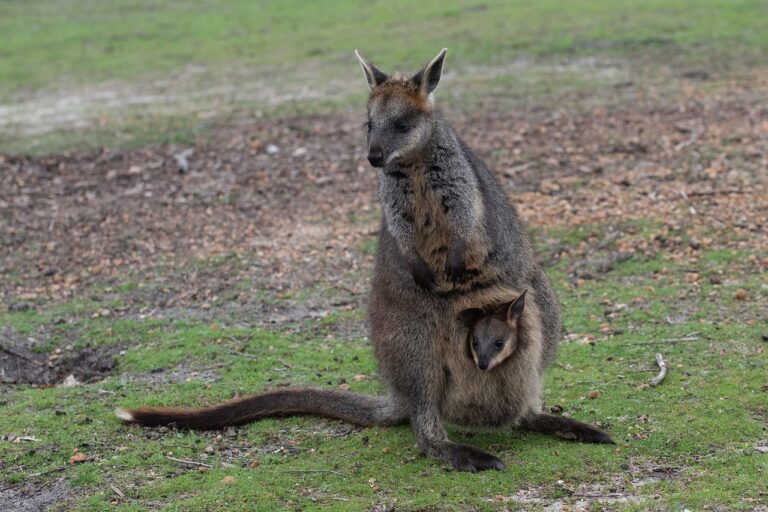
Dual Reproductive Phenomenon in Swamp Wallabies: Embryonic Diapause and Birth

0

Unveiling the Marvels of Dual Reproduction: The Extraordinary Phenomenon of Embryonic Diapause and Birth in Swamp Wallabies

The natural world never ceases to amaze us with its diverse reproductive strategies. Among the fascinating reproductive phenomena found in the animal kingdom is the dual reproductive process observed in swamp wallabies (Wallabia bicolor), an intriguing marsupial species.

WSON Team

In a remarkable display of nature’s ingenuity, swamp wallabies are capable of simultaneously nurturing two offspring at different stages of development within their bodies. This article delves into the unique reproductive biology of swamp wallabies, exploring the process of embryonic diapause and the subsequent birth of a new joey.

Embryonic Diapause: A Pause in Development Swamp wallabies possess the extraordinary ability to undergo embryonic diapause, also known as delayed implantation. This phenomenon allows the female wallaby to mate and conceive while a previously conceived embryo remains in a state of suspended animation within her reproductive tract. The diapause can last anywhere from 90 to 100 days, during which the embryo remains dormant, postponing further development until optimal conditions for survival and growth are met.

Triggering the Diapause: The specific triggers that initiate embryonic diapause in swamp wallabies are still not fully understood. However, researchers believe that environmental factors such as resource availability, nutritional status, and climate play crucial roles in regulating the onset and duration of diapause. When conditions are unfavorable, the embryo’s development remains arrested, preserving the female’s energy and resources for her current joey in the pouch.

WSON Team

Resuming Development: Unique Adaptation Once the environment becomes more favorable, the dormant embryo resumes development, commencing implantation and subsequent growth. It is worth noting that the timing of diapause termination can vary between individual swamp wallabies, allowing for a staggered reproductive cycle. This adaptive mechanism enhances the species’ survival by ensuring a continuous production of offspring even in challenging environmental conditions.

Simultaneous Parenting: Birth of Two Joeys One of the most remarkable aspects of swamp wallaby reproduction is the simultaneous presence of two joeys in different stages of development. While the mother nurtures an older joey in her pouch, the newly born joey, resulting from the terminated embryonic diapause, begins its journey from the birth canal into the pouch. The mother wallaby possesses two separate uteri, allowing each joey to develop in a distinct chamber within her reproductive tract. This biological marvel enables the mother to nurse and care for her young with remarkable efficiency, ensuring their survival.

Ecological Significance: Embryonic diapause in swamp wallabies carries significant ecological implications. It provides a mechanism for these marsupials to adapt to unpredictable environmental conditions, allowing for reproductive flexibility. Diapause ensures that the wallaby population can persist, even during periods of resource scarcity or environmental stress. The ability to nurse two joeys of different ages simultaneously further enhances the reproductive efficiency of swamp wallabies, contributing to the species’ overall success.

WSON Team

The dual reproductive phenomenon observed in swamp wallabies, involving embryonic diapause and the birth of two joeys at different stages, is a captivating example of nature’s innovation.

The ability to pause embryonic development until suitable conditions arise, while simultaneously nurturing an older joey, showcases the extraordinary adaptations these marsupials have developed to thrive in diverse environments. Continued research on the unique reproductive biology of swamp wallabies will undoubtedly deepen our understanding of their ecological niche and shed light on the broader intricacies of reproductive strategies across the animal kingdom.

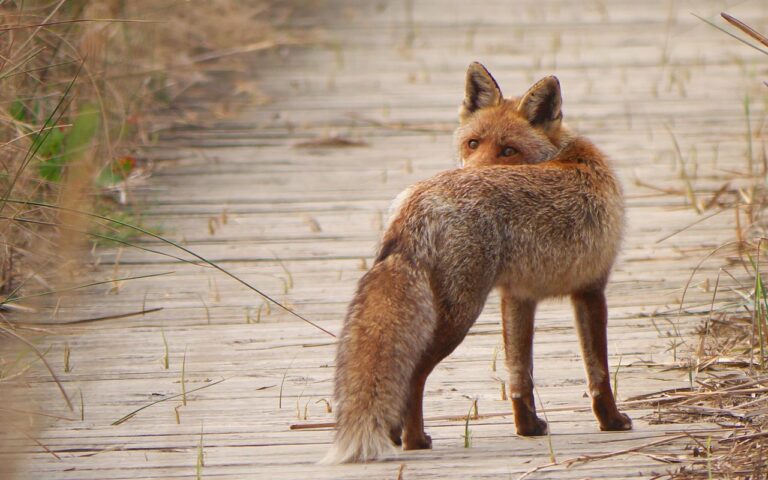
Intriguing Foxes: Unraveling the Mysteries of Nature’s Cunning Canids

0

Exploring their Adaptations, Behaviors, and Cultural Significance

Foxes, belonging to the Canidae family, have captivated the human imagination for centuries. These small to medium-sized mammals exhibit a remarkable combination of beauty, adaptability, and cunning. With their distinct physical features, diverse species, and intriguing behaviors, foxes have become a symbol of resilience and adaptability in the natural world. In this article, we delve into the enchanting world of foxes, shedding light on their characteristics, habitats, behaviors, and their significance in different cultures.

WSON Team

Fox Species and Distribution: Foxes are found across the globe, with the exception of Antarctica. There are about 37 known species of foxes, ranging from the iconic red fox (Vulpes vulpes) to the fennec fox (Vulpes zerda) with its large ears. Each species has its own unique adaptations and habitat preferences, enabling them to thrive in a variety of environments, including forests, grasslands, deserts, and even urban areas.

WSON Team

Physical Characteristics: Foxes exhibit a wide range of physical characteristics depending on their species and habitats. They typically have a long, bushy tail, a pointed muzzle, and upright ears. The red fox, for example, is known for its reddish-brown fur, while the Arctic fox (Vulpes lagopus) has a thick white coat to blend in with its snowy surroundings. The fennec fox stands out with its distinctive large ears, which help dissipate heat in its desert habitat.

WSON Team

Adaptations for Survival: Foxes possess a remarkable set of adaptations that enable them to survive in diverse environments. Their keen senses, including excellent hearing and night vision, make them effective hunters, with the ability to locate prey such as rodents, birds, rabbits, and even fish. Foxes are also known for their agility and speed, allowing them to swiftly navigate through various terrains.

WSON Team

Behaviors and Social Structure: Foxes display intriguing social behaviors, although they are generally solitary animals. Many fox species establish territories and mark them with scent markings. They are highly vocal animals, using a range of vocalizations such as barks, screams, and howls to communicate with other foxes. Foxes are also known for their playful nature, engaging in activities such as chasing, pouncing, and wrestling.

WSON Team

Reproduction and Family Life: Foxes have a well-defined mating season, which varies depending on the species and region. After mating, the female fox, called a vixen, gives birth to a litter of pups. The parents work together to raise the young, with the male fox, or dog, actively participating in hunting and protecting the den. This parental care contributes to the survival and development of the pups.

WSON Team

Cultural Significance: Foxes have permeated human cultures worldwide, appearing in folklore, mythology, and literature. In some Native American tribes, foxes are associated with cunning and intelligence, while in Japanese folklore, the mythical kitsune is believed to possess shape-shifting abilities and bring good fortune. Foxes have also been depicted in popular media, becoming beloved characters in children’s stories and cartoons.

WSON Team

Conservation and Threats: Like many other wildlife species, foxes face several conservation challenges. Habitat loss, pollution, hunting, and the spread of diseases pose significant threats to their populations. Efforts are being made to protect and conserve fox species through the establishment of protected areas, education, and conservation programs aimed at raising awareness about their importance in ecosystems.

WSON Team

The fox, with its grace, adaptability, and intriguing behaviors, continues to captivate our imagination. Whether roaming through forests, desert dunes, or urban landscapes, these cunning canids leave an indel