
Moment of ‘Pride’: Asiatic Lion Finds New Home in Barda Wildlife Sanctuary after over 143 Years

The Asiatic Lion, the pride of Gujarat and India, has found a new and second home in Barda Wildlife Sanctuary, near Porbandar. The lion’s last presence in Barda was recorded way back in 1879, informed Rajya Sabha member Parimal Nathwani who is a Gir lion enthusiast and also a member of the Advisory Committee of Gir Sanctuary and National Park.

Nathwani said that a male lion of around three and a half years of age entered Barda Sanctuary on January 18. The lion was sighted in Mota Jungle Beat of Ranavav Round in Ranavav Range of Porbandar Wildlife division. The male lion was first spotted on October 3, 2022, in Madhavpur Round of Porbandar Wild Life Division. After spending nearly three months in various habitats of coastal forest and wastelands, this male has crossed over to Barda Wildlife Sanctuary. In order to monitor the movement of the Lion, it was radio-collared by Gujarat Forest Department on October 29, 2022, Nathwani added.

As per the document titled ‘Project Lion: Lion @47 Vision for Amrutkal’, the Barda Wildlife Sanctuary in Gujarat has been identified and assessed by the Wildlife Institute of India as a potential site, where a population of 40 adult and sub-adult lions can be accommodated in the larger landscape of Barda-Alech hills and coastal forests through natural dispersal.

“Hon’ble Prime Minister Shri Narendrabhai Modi has envisioned the importance of Gir lions and drawn a detailed road map for the prosperity of our precious wildlife. As a lion and wildlife enthusiast, I am very happy that Asiatic Lions are dispersing naturally in Gujarat and that one of them reached the Barda Wildlife Sanctuary yesterday on its own.

I hope this natural and suo moto migration of a lion monitored by the joint efforts of Gujarat Forest Department & local communities, will be further articulated and strengthened by Government of India & Ministry of Environment Forest and Climate Change through Project Lion,” said Nathwani, Member of Parliament (Rajya Sabha) and Director-Corporate Affairs, Reliance Industries Ltd. “Equally keen and concerned for the betterment of our lions is Hon’ble Chief Minister of Gujarat Shri Bhupendra Patel who has been a source of motivation and encouragement for the foresters and wildlife lovers.

I am ready to provide whatever assistance required from our end for the development of the Barda Wildlife Sanctuary as the second abode of the Asiatic Lions.”
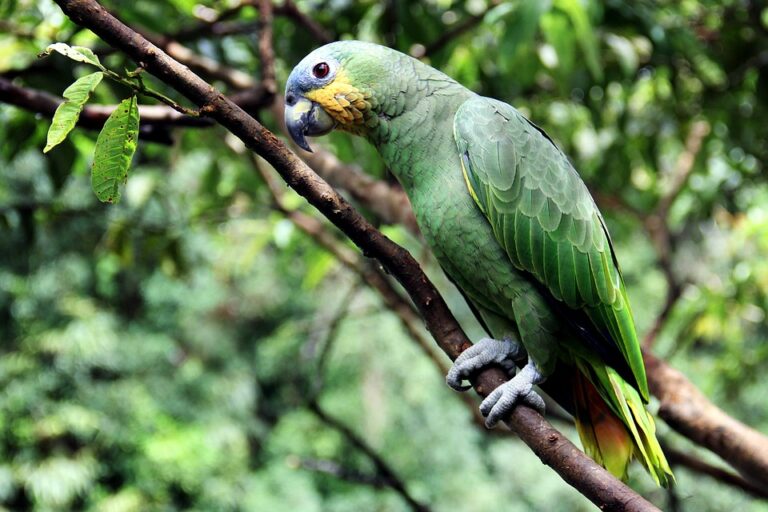
National Birds Day 2023: Why do we celebrate National Birds Day on 5 January?

National Birds Day is observed on 5 January to raise awareness about birds that are captured or produced in captivity for monetary gain or pleasure.

National Bird Day 2023: On January 5, National Bird Day is celebrated to raise awareness of the value of tiny tweets in the ecosystem. The Avian Welfare Coalition, which works hard to promote awareness for birds that are captured or produced in captivity for either financial gain or for human amusement, is behind this initiative.

Why is National Bird Day celebrated on 5 January?

National Bird Day, which has American origins, has been celebrated annually on January 5 since its inaugural event in 2002.

This particular day was chosen because January 5 also happens to be the day of the yearly “Christmas Bird Count.” This yearly national holiday has been observed in the USA for quite some time. The findings offer details on both the quantity and condition of birds across the United States of America.

Due to their close resemblance to the evolution of dinosaurs, birds are regarded as living relics of the past. They are frequently keystone species in ecosystems and indicators of their health and vitality. The Avian Welfare Coalition created National Bird Day in order to raise awareness of the struggles and plight of these significant animals as well as the ways in which we can start the change that is required to establish a healthier, more sustainable relationship with them.

What is the importance of National Bird Day?

The 850 bird species that live in the United States are among the many different bird species that are honored on National Bird Day. Yes, they all have a beak, two wings, and feathers. But after that, there are notable differences.

National Bird Day falls on the same day as the three-week-long Christmas Bird Count, the world’s largest citizen science project that counts wild birds in the United States.

Climate change, habitat loss, deforestation, and other factors that have a devastating impact on life are putting many birds in danger. These common crimes against birds are discussed and addressed in public on National Bird Day.

People from all over the United States participate in this event because raising awareness is one of its main purposes. A day when birds should be treated with the utmost respect is indicated by this. We all have the chance on this day to spread the word about bird preservation and how to protect them.

The world’s bird population totals over 9800 species. An individual cannot possibly see every single one of them! But on National Bird Day, anyone with an interest in birds can use this event to get a glimpse of the various bird species that are found nearby.

Some interesting facts about Birds

  • None of the bird species have teeth, how do they chew?
  • Birds can communicate effectively by chirping and singing.
  • Birds sing and chirp in order to attract a mate, among other things.
  • The largest eyes of any land mammal are found in ostriches.
  • Only warm-blooded vertebrate animals with feathers include birds.
  • A female bird can lay eggs whether or not she has a mate.
  • Being in a flock allows birds to look in multiple directions, which aids in maintaining alertness.
  • Parrots, for example, can mimic human speech.
  • Ducks only have one brain, and only one-half of it sleeps at a time. The other half is awake and active.It is just not possible for you to not enjoy a bird-watching session, after reading all these amusing facts. Happy National Birds Day!!

Sea cows, abalone, pillar coral now threatened with extinction

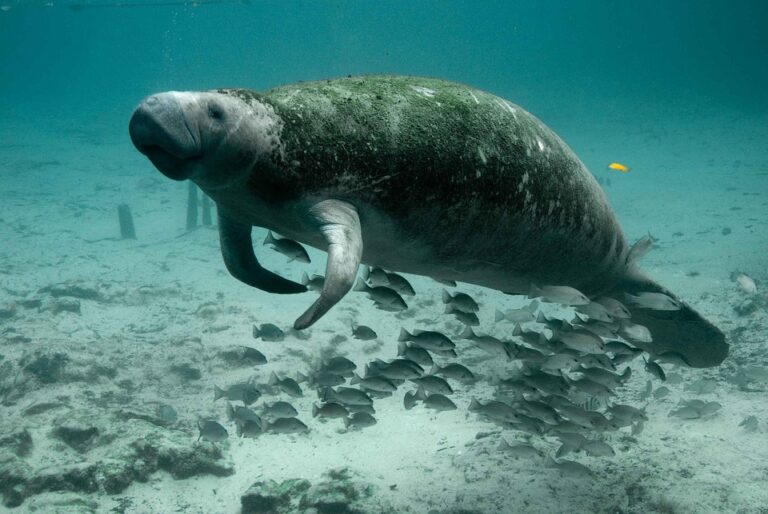
Dugongs or sea cows are now threatened with extinction, according to the IUCN Red List.

Dugongs – large herbivorous marine mammals commonly known as “sea cows” – are now threatened with extinction, according to an official list updated Friday.

These gentle cousins of the manatee graze on seagrass in shallow coastal waters, and are an important source of ecotourism in their tropical habitats.

Despite their moniker, they are more closely related to elephants than to cows.

Dugong populations in East Africa and New Caledonia have now entered the IUCN (International Union for Conservation of Nature) Red List as “critically endangered” and “endangered,” respectively.

Globally, the species remains classified as “vulnerable.”

Their primary threats are unintentional capture in fishing gear in East Africa and poaching in New Caledonia, as well as boat injuries in both locations.

WSON Team

In East Africa, fossil fuel exploration and production, pollution and unauthorised development are also degrading their seagrass food source. In New Caledonia seagrass is being damaged by agricultural run-off and pollution from nickel mining, among other sources.

Habitat degradation is compounded by climate change throughout the dugongs’ range in the Indian and western Pacific Oceans.

The updated list comes as delegates from across the world meet in Montreal for a UN biodiversity conference to finalize a new framework for “a peace pact with nature,” with key goals to preserve Earth’s forests, oceans and species.

IUCN deputy director Stewart Maginnis told AFP: “The ability to slow and limit extinction rate, to buy us more time has been focused very much on a large terrestrial species.”

“But the fact is that we are 30 years behind on effective marine conservation – now hopefully we can catch that up.”

Climate change is driving ocean acidification as well as deoxygenation, while flows of agricultural and industrial pollution from the land are causing significant impacts on ocean species, effects that cascade throughout food webs.

Maginnis stressed that the Red List is not a hopeless catalog of doom – it serves as a scientifically rigorous tool that helps focus conservation action.

It includes more than 150 000 species, with over 42 000 threatened with extinction. Over 1 550 marine animals and plants assessed are at risk of extinction, with climate change impacting at least 41% of those threatened.

Poaching, pollution, climate change

WSON Team

In other updates to the IUCN list, 44% of all abalone shellfish are now threatened with extinction, while pillar coral has moved to “critically endangered.”

Abalone species are considered gastronomic delicacies, leading to unsustainable extraction and poaching by international organized crime networks, for example in South Africa.

They are also deeply susceptible to climate change, with a marine heatwave killing 99% of Roe’s abalones off Western Australia in 2011.

Agricultural and pollution run-off also cause harmful algal blooms, which have eliminated the Omani abalone, a commercial species found in the Arabian Peninsula, across half of its former range. Twenty of the world’s 54 abalone species are now threatened with extinction.

“Abalones reflect humanity’s disastrous guardianship of our oceans in microcosm: overfishing, pollution, disease, habitat loss, algal blooms, warming and acidification, to name but a few threats,” said Howard Peters of the University of York who led the assessment. “They really are the canary in the coal mine.”

Pillar coral, which are found throughout the Caribbean, moved from “vulnerable” to “critically endangered” after its population shrunk by over 80% across most of its range since 1990.

Bleaching caused by sea surface temperature rise – as well as antibiotics, fertilizers and sewage running into the oceans – have left them deeply susceptible to Stony coral tissue loss disease, which has ravaged their numbers over the past four years.

Overfishing around coral reefs has piled on more pressure by depleting the number of grazing fish, allowing algae to dominate.

“The pillar coral is just one of the 26 corals now listed as Critically Endangered in the Atlantic Ocean, where almost half of all corals are now at elevated risk of extinction due to climate change and other impacts,” said Beth Polidoro of Arizona State University.

New plan to save endangered vultures from poisoning, electrocution

Vulture populations in Africa have been on the decline, and some species are threatened with extinction.

Government proposes steps to limit poisoning, and collisions with powerlines and habitat loss, causing their deaths.

Vultures clean up carcasses and other organic waste and help limit the spread of diseases that may affect other animals and humans.

WSON Team

Government has released a draft proposal to limit vulture deaths caused by poisoning, electrocution from the collision with power lines and habitat loss.

The draft Biodiversity Management Plan for vultures was gazetted by Forestry, Fisheries and Environment Minister Barbara Creecy on 2 December 2022. The plan supports the conservation of vultures, some species of which are threatened with extinction.

The plan was developed by the Department of Forestry, Fisheries and Environment (DFFE), as well as individuals from organisations such as VulPro, Endangered Wildlife Trust, Birdlife South Africa, the South African National Biodiversity Institute and the University of KwaZulu-Natal and Eskom.

There are nine vulture species in South Africa, and seven of them have established breeding populations in the country – but they face threats of extinction, the DFFE gazette indicated.

WSON Team

Among the species under threat include the Bearded and Cape vultures – which nest in cliffs – and the Hooded, White-backed, Lappet-faced, White-headed and Palm-nut vultures – which nest in trees. The White-headed, Hooded and White-backed vultures are classified “critically endangered” by the International Union for Conservation of Nature (IUCN). This is the highest category of threat which means they face a high risk of extinction in the wild.

“Unless effective conservation action is implemented nationally, there is a likelihood that several of these species will become extinct in the near future,” the gazette read.

Vulture populations in Africa have been on the decline for the past 30 years, and the main drivers that have been identified include poisoning (whether intentional or not), electrocution from the collision with energy infrastructures such as power lines and habitat loss which is caused by human encroachment and even climate change.

Government notes that there has been a lack of decisive action to address the decline across the continent, which is why the Biodiversity Management Plan is warranted.

Poisoning

WSON Team

Poisoning is considered the most significant threat to South African vultures. Populations have been either intentionally or unintentionally affected by feeding off poisoned carcasses. For example, sometimes carcasses are laced with poison – but are not necessarily intended for vultures. Unintentional poisoning can also take place when vultures feed off animals that died by ingesting poison. Sometimes they feed off dead livestock treated with medicine, which is poisonous to vultures.

Vultures can also be affected by lead poisoning – sometimes from ingesting lead fragments from carcasses that were shot.

Vultures have also been intentionally poisoned – for use of their body parts in African traditional medicine.

A major step in limiting poisoning involves working with the relevant stakeholders like vets, traditional leaders and healers and those in the agricultural sector to promote sustainable practices. For example, the plan proposes working with veterinary institutions to prevent the use of harmful pharmaceuticals.

WSON Team

“Electrocution risks can be significant in poorly designed or uninsulated energy infrastructure,…” the gazette read. “Collisions with power lines are a significant threat to vultures, where they are susceptible largely due to their size and relatively poor manoeuvrability…” it indicated.

The rollout of renewable energy infrastructures such as wind and solar means the transmission network will have to expand and increase the risk of collisions in new areas. The gazette noted that vultures also risk colliding with infrastructure like wind turbines.

“The rapid development of wind energy in southern Africa represents an additional threat to the already fragile populations of African vultures.

The draft plan proposes a risk assessment of new and existing infrastructure, which would inform mitigation measures – Eskom, the DFFE and the Department of Cooperative Governance and Traditional Affairs are key role players in this.

Notably, power lines close to breeding, foraging and roosting sites (within a 2.5km radius) need to have “bird-friendly structures”, the gazette indicated.

WSON Team

The plan also calls for an assessment of existing mitigation plans to determine if they are effective. The draft also encourages the consideration of vultures in the environmental management programmes of renewable energy projects.

The plan also makes broader recommendations to support conservation – such as promoting continued research and improved monitoring of vulture populations and steps to identify nesting and foraging sites which are not formally part of national protected areas.

The plan also indicates that national and provincial legislation be updated to address the current conservation status of vultures and promotes continued information sharing on their conservation. The public has 30 days (from 2 December) to submit comments on the draft plan.

Endangered African tortoises make trek home from Monaco

Forty-six tortoises born and raised in captivity in Monaco have been brought to Senegal, to return them to the wild.

After a gruelling trip by air and road, several dozen endangered African tortoises groggily poked their heads out of their shells to take a look at their ancestral homeland.

Forty-six tortoises born and raised in captivity in Monaco have been brought to Senegal as a first step to returning to the wild.

They are African spurred tortoises – a species that inhabits the southern rim of the Sahara.

Known by the Latin name of Centrochelys sulcata, they are the world’s third-largest tortoise species.

Some tortoises in captivity can weigh nearly 100 kilogrammes and live as long as a century. Listed as endangered by the International Union for Conservation of Nature (IUCN), the species is under pressure from trafficking and overgrazing.

There are “at most” 150 African spurred tortoises currently living in the wild in Senegal, said Tomas Diagne, director of the African Chelonian Institute (ACI), a conservation group.

Within 30 years, they could die out, leaving only specimens living as pets or in private breeding farms, he said. “If I were a tortoise, I wouldn’t want to live or be born in West Africa, or Africa, period,” he said.

The 46 tortoises that travelled from Monaco’s Oceanographic Museum to the Tortoise Village of Noflaye, about 35 kilometres from Senegal’s capital Dakar, are all youngsters – the oldest are only eight years old.

Their parents – six tortoises, which stayed behind in Monaco – were a gift to Prince Albert II in 2011 from former Senegalese president Amadou Toumani Toure.

After quarantine, the young tortoises will “learn the ABCs” of life in the wild for a few months, said Diagne after their arrival on Tuesday.

Once they have mastered survival skills like finding their own food and digging out a burrow, they will be transferred to a nature reserve to the north-west.

At first, they will live in a fenced-off area for their protection. Later, the fence will be removed, and they will be on their own. “Fauna is always leaving Africa, always being exported,” said Diagne. “It is very rare for it to come back.”